Bee Wreath Embroidery Review
First Impressions: A Seasonal Mood with Natural Flair
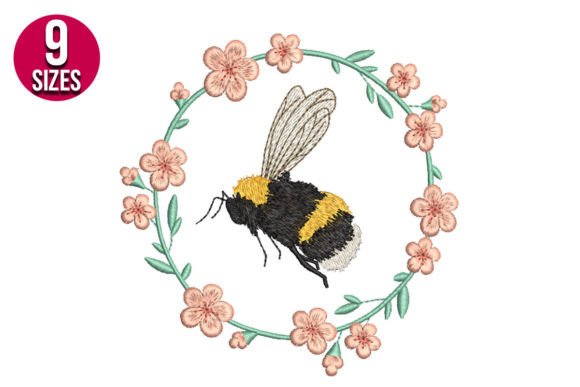
The Bee Wreath embroidery design immediately evokes a sense of nostalgic charm and cozy warmth. Its natural, organic style fits perfectly within the seasonal embroidery theme, especially during spring and summer. The design feels playful yet elegant, ideal for holiday gift bundles or festive home decor. With its delicate bee illustration and floral wreath, it’s a perfect match for handmade gift collections that emphasize personalized gift appeal.
Design Versatility: From Tote Bags to Kitchen Towels
The Bee Wreath is incredibly versatile, making it an excellent choice for a wide range of products. It stitches beautifully on tote bag design, kitchen towel embroidery, and even pillow cover projects. This machine embroidery design can be used on sweatshirt embroidery, embroidered patch, and table linen items. Its detail level is just right—enough to catch the eye without overwhelming the fabric.
For holiday embroidery and seasonal embroidery product lines, the Bee Wreath offers endless creative possibilities. It can be incorporated into small shop product lines like gift-ready products, family matching items, and limited edition apparel. Whether you're creating personalized gift sets or commercial embroidery for Etsy sellers, this design has the potential to stand out in a crowded market.
Practical Use in Real Holiday Selling Situations
When planning for holiday embroidery drops, the Bee Wreath can be a key player. It's well-suited for gift bundles and craft fair displays, where visual appeal and emotional resonance are critical. The design works well in printable mockup formats, allowing sellers to create realistic previews for their digital embroidery file listings.
On Etsy seller listings, the Bee Wreath can be paired with other seasonal embroidery designs to build a cohesive collection. It also lends itself well to social media previews, where the visual recognition of the design can help drive engagement and brand consistency. For small shop product creators, the Bee Wreath offers a reliable option for limited edition apparel and home decor items.
Considerations for Careful Use
While the Bee Wreath is a great design, there are a few areas where it should be used with caution. The small hoop size required may limit its use on larger items like aprons or table linens. Additionally, the tiny lettering and layered details may not show up clearly on thick towels or dark fabric.
Sellers should also consider the stitch density and thread colors when using this design. Testing on both light and dark fabrics is essential to ensure the final finished product meets customer expectations. For stretchy garments, using the proper stabilizer is crucial to prevent puckering or distortion. Lastly, items that require repeated washing, such as kitchen towels, should be evaluated carefully to maintain the design's integrity over time.
Seasonal Appeal and Emotional Impact
The Bee Wreath has a strong seasonal appeal, particularly during spring and summer months. It evokes feelings of freshness, joy, and community, making it an excellent fit for personalized gift campaigns. The design’s visual recognition and brand consistency can help customers identify your digital embroidery file offerings quickly, which is vital during busy holiday shopping periods.
From a buyer perspective, the Bee Wreath adds value to any handmade gift or small shop product. It enhances the giftability of items and increases customer trust by showing attention to detail and quality. When combined with other seasonal embroidery designs, the Bee Wreath can create a cohesive and appealing product line that resonates emotionally with shoppers.
Embroidery Designer Notes for Success
As an embroidery designer, I recommend several practical steps before using the Bee Wreath in a commercial setting. First, test thread colors on both light and dark fabrics to ensure visibility and vibrancy. Check stitch density to avoid overcrowding or sparse stitching. Confirm the hoop size required for optimal results, and always use the proper stabilizer to maintain fabric texture and prevent damage.
Create printable mockups to visualize how the design will look on different items. After stitching, review small details such as layered elements and text clarity to ensure quality. Plan matching color palettes to enhance the overall aesthetic of your seasonal embroidery collection. Finally, confirm commercial licensing terms before selling finished products to avoid legal issues.