Ethnic Embroidery Geometric Pattern
First Impressions: A Visual and Emotional Statement
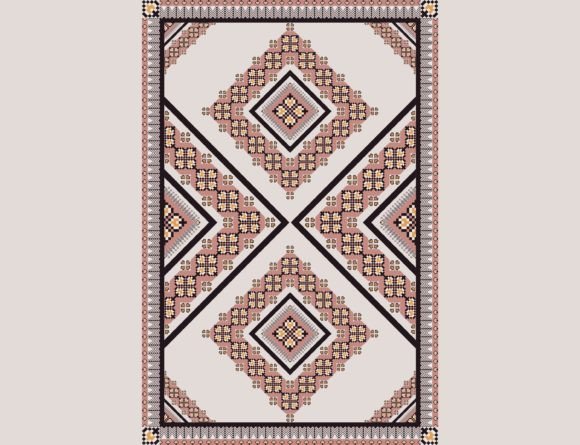
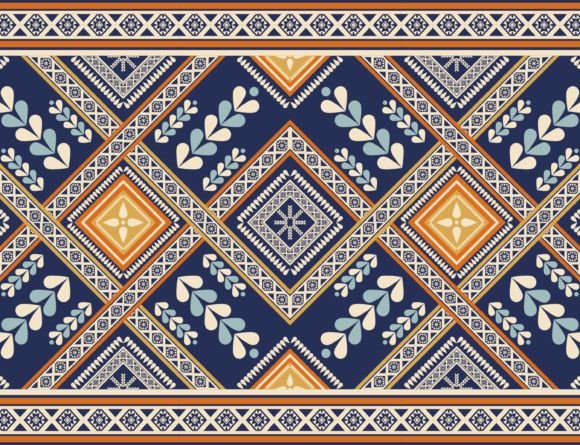
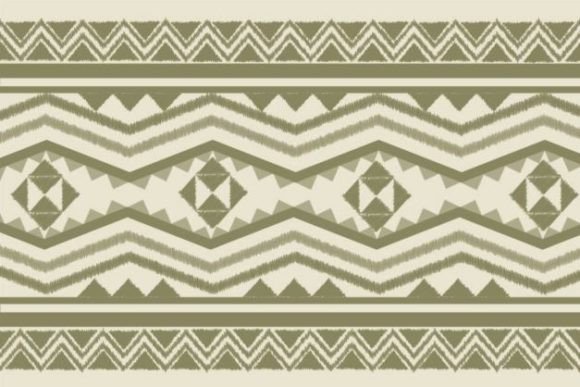
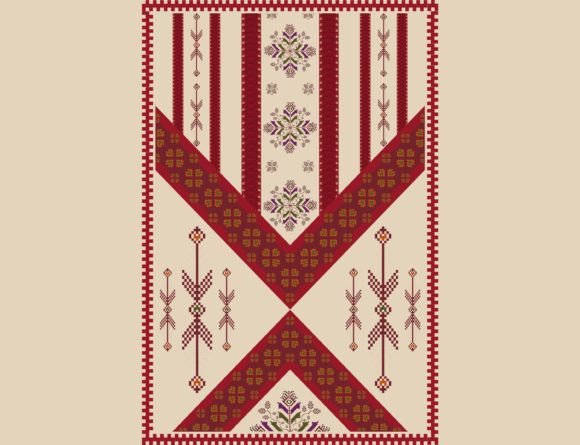
The Ethnic Embroidery Geometric Pattern immediately caught my eye with its bold yet intricate design. It feels like a fusion of tradition and modernity, blending the richness of ethnic motifs with the clean lines of geometric shapes. The pixel art style adds a unique charm that makes it both versatile and approachable. It’s not just a pattern—it's a mood.
What stands out is the balance between detail and simplicity. The design doesn’t overwhelm with too much complexity, making it ideal for a wide range of applications. Whether you're looking to create a handmade product or a personalized gift, this pattern offers an emotional appeal that resonates with those who appreciate cultural depth in their crafts.
Applying the Pattern to Personalized Gifts
The Ethnic Embroidery Geometric Pattern is incredibly adaptable, which is why I believe it has a strong potential for use in various personalized gift products. From baby embroidery to wedding gifts, this pattern can be tailored to suit different occasions and customer needs.
- Baby Embroidery: This pattern could be used on baby blankets, onesies, or pillow covers, adding a touch of elegance and cultural significance to nursery items.
- Wedding Gifts: Couples might appreciate a custom tote bag or apron featuring this design as a meaningful keepsake.
- Family Keepsakes: Custom towels or wall tapestries can serve as lasting memories, especially when paired with a thoughtful message or name.
- Custom Tote Bags and Pillow Covers: These everyday items can become statement pieces with the right embroidery.
- Blanket Embroidery: Adding this pattern to a throw blanket can elevate its aesthetic and make it a standout piece in any home.
For Etsy sellers and small shop owners, the Ethnic Embroidery Geometric Pattern offers a great opportunity to diversify your product line. It can be used in digital embroidery files and printable mockups to showcase your offerings effectively.
Considerations for Design Placement
While the Ethnic Embroidery Geometric Pattern is versatile, there are certain materials and products where it may need careful consideration. For instance, small lettering and delicate details might not show well on thick towels or stretchy baby clothes. Similarly, dark fabrics can make the pattern less visible, so it's important to test on scrap fabric before proceeding with a full order.
Products that require frequent washing, such as embroidered towels or pillow covers, should also be tested for durability. The stitch density and hoop size will play a key role in how the design holds up over time.
If you're using this pattern on curved surfaces or textured fabric, ensure that the stabilizer is appropriate for the material to prevent puckering or distortion. Always check thread color contrast to make sure the design stands out clearly against the background.
Enhancing Giftability and Perceived Value
The Ethnic Embroidery Geometric Pattern has the potential to significantly enhance the perceived value of a personalized gift. Its cultural and artistic elements can evoke a sense of authenticity and craftsmanship, which is highly appealing to customers seeking handmade products.
When used on items like blanket embroidery or custom embroidery, this pattern can add a layer of emotional connection. Customers often appreciate the thought behind a handmade item, and this design provides an excellent opportunity to create something meaningful and memorable.
From a marketing perspective, the Ethnic Embroidery Geometric Pattern can be used in product photography to highlight the texture and detail of your finished goods. A well-lit, high-quality image can greatly influence buyer engagement and trust in your brand.
Practical Embroidery Tips
Before using the Ethnic Embroidery Geometric Pattern on real customer orders, I recommend testing it on scrap fabric. This allows you to assess how the design looks and performs under different conditions. Check the stitch density and ensure that the hoop size is suitable for the project.
Always use the correct stabilizer for the fabric type, and consider creating printable mockups to visualize how the design will look on different materials. Confirming the commercial licensing terms is also essential if you plan to sell finished products.
Finally, take the time to review small details after stitching. Even the most beautiful design can be affected by minor issues, so a final check ensures that your handmade product meets the highest standards of quality and care.